Paddy & Dryland Crawler Tillers: What Actually Keeps Them Afloat
水旱两用履带旋耕机:水田作业的通过性从何而来
Ground pressure, chassis clearance and gearbox sealing — the three hurdles every amphibious paddy tiller has to clear.
从履带接地比压、底盘离地间隙到变速箱密封,拆解一台水旱两用机必须跨过的三道门槛。
In this article
In paddy work the hard part is not power — it is staying on top. Once ground pressure exceeds what the surface mud can carry, the tracks dig deeper with every pass until the machine is stuck. That is the real difference between an amphibious tiller and a dryland one.
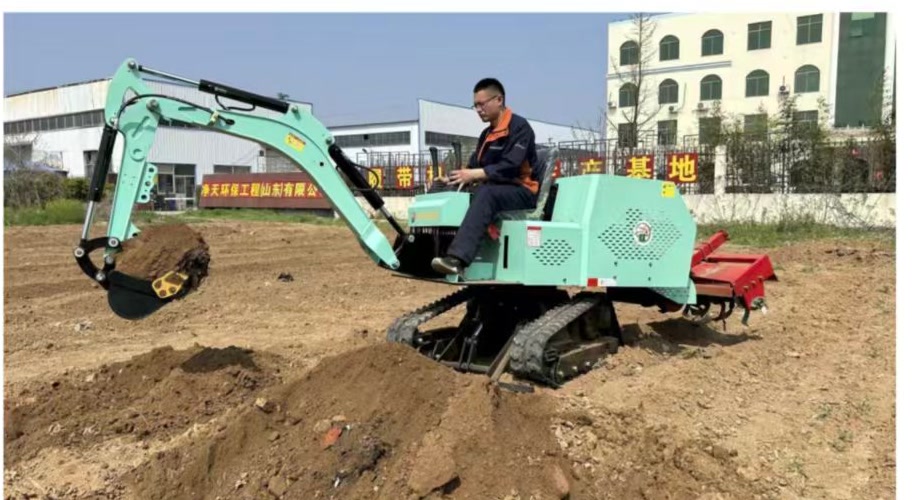
The first threshold is track width. On the AN35-50SH series, Type I runs 250 mm tracks (84×42) while Type II goes to 350 mm (90×38), spreading the load over a much larger footprint. The second is weight and centre of gravity: an 850–900 kg machine with a low centre of gravity floats across soft mud rather than pressing into it.
The third is sealing. Gearbox, final drives and bearings on an amphibious machine must keep water and silt out — one paddy season is enough to ruin an unprotected drivetrain. The value of a custom all-gear gearbox here is as much about serviceability and seal control as it is about strength. When specifying a machine, ask about the sealing package for wet work, not just the horsepower figure.
本文要点
水田作业最难的不是动力,而是「不下陷」。机器的接地比压一旦超过表层淤泥的承载力,履带就会越挖越深,最终把整机困在田里。这也是水旱两用机型与普通旱地机型最本质的区别。
第一道门槛是履带宽度。以 AN35-50SH 系列为例,I 型采用 250mm 宽履带(84×42),II 型进一步加宽到 350mm(90×38),接地面积显著增加,把单位面积压力压到淤泥可承受的范围内。第二道门槛是整机重量与重心的分配,850–900kg 的机身配合低重心布局,让机器在软泥上「浮」着走而不是「压」着走。
第三道门槛是密封。水旱两用机型的变速箱、最终传动与轴承部位必须做好防水防泥,否则一次水田作业就足以让传动系统提前报废。定制纯齿轮变速箱在这里的价值,不只是强度,更是可维护性与密封的可控。选型时,请务必确认供应商对水田工况的密封方案,而不只是看马力数字。
Need help choosing the right machine?
不确定该选哪款机型?
Tell us your field size, crops and implements — our engineers will recommend a configuration within 24 hours.
告诉我们您的地块规模、作物与配套农具,工程师将在 24 小时内为您推荐配置方案。